
 Police killed the highest number of people on record in 2023, but as a white, female-presenting person (with a significantly lower statistical rate of being killed by police), I view my responsibility in this work creates a duty to put my body between people of color and police, just as protestors did during Breonna Taylor protests in Louisville in 2020. The best way to prepare for any moment of tension between civilians and the police is to have a plan in advance, preparing yourself for what to do in the moment. This way you’re not both trying to make a strategically safe decision, while adrenaline pulses through you, and someone’s life may also be on the line.
Written By: Beck Havens
0 Comments
 My fellow advocates at Pure Justice and I are celebrating Mayor John Whitmire's announcement to terminate the city's $3.5 million ShotSpotter contract. This decision represents a significant victory for those who have long raised concerns about the technology's potential for racial bias, ineffectiveness, and misallocation of resources. However, while ending the ShotSpotter program is a positive step, we must recognize that this alone does not guarantee better outcomes for our city.
The Flaws of ShotSpotter The ShotSpotter system, which uses sensors to detect and locate gunfire, has been criticized for perpetuating over-policing in communities of color. Ed Vogel from the Stop ShotSpotter coalition aptly described it as a "probable cause narrator" that targets majority-minority areas, meaning that ShotSpotter gives pretext or perceived probable cause for officers to have increased presence and conduct stops or searches, even if the alerts don’t actually indicate criminal activity by specific individuals. More police presence never creates more trust between law enforcement and the community. Numerous studies, including those by the Vera Institute of Justice, have found that heightened police presence and aggressive enforcement strategies in high-crime areas often undermine community trust and cooperation with law enforcement, particularly among people of color. These negative consequences would be concerning even if the technology delivered its promised benefits – but it has not. ShotSpotter has neither reduced gun violence deaths nor increased arrests for gun-related crimes. In Houston, only 5% of nearly 4,400 alerts from December 2020 to September 2022 resulted in an arrest. Similarly, in Chicago, a mere 9% of ShotSpotter alerts were actually gun-related crimes. These statistics raise serious doubts about the technology’s usefulness and the allocation of millions of dollars towards its implementation. The Need for a Comprehensive Approach While ending the ShotSpotter contract is a positive step, this decision alone does not address the underlying systemic issues that contribute to over-policing communities of color in Houston. Many people across the city, including those who don’t necessarily have the best reputation in regards to criminal justice reform, are supporting this decision by Mayor Whitmire to discontinue Houston’s contract with ShotSpotter. However, their proposals for what the money should be spent on instead are, unsurprisingly, not in line with what criminal justice reform advocates like Pure Justice envision. For example, Mayor Whitmire stated the money saved from scrapping ShotSpotter would be used to fund a new cadet class for the Houston Police Department, while Houston City Council Member Julian Ramirez suggests the funds could be better spent on hiring more police officers to have more presence on the streets. To us, these alternative proposals make it clear that getting rid of Shotspotter is eliminating only one tool used to perpetrate the over-policing of Black and Brown communities in Houston. Simply reallocating funds towards hiring more police officers will not reduce gun-related violence, reduce over-surveillance of people of color, or build trust between communities and law enforcement. Any alternative crime-fighting technologies or strategies must be thoroughly evaluated for their potential impact on civil liberties, racial bias, and the disproportionate targeting of minority communities. We cannot simply replace one flawed system with another. “Ending ShotSpotter in Houston is a necessary step away from state surveillance and de-facto criminalization of Black and Brown communities. We’re so glad to see it go,” says Roshawn Evans, Organizing Director at Pure Justice. “At the same time, we must reimagine safety for everyone on a systems-level and continue prioritizing getting valuable resources to the underserved populations that need them the most. That’s how we should move forward and that’s how we build a safer Houston for everyone.” A Call for Continued Advocacy As criminal justice reform advocates, we must celebrate the decision to end the ShotSpotter contract as a victory, but we must also remain vigilant and hold our elected officials accountable for how they choose to reallocate the funds previously dedicated to ShotSpotter. Any proposed solutions must be thoroughly scrutinized to ensure they align with our values of racial equity, civil liberties, and a genuine commitment to addressing the root causes of crime. As an immediate next step, Pure Justice calls for canceling the current ShotSpotter contract as soon as possible. Communications Director Sharia Legette explains why clearly: “We applaud Mayor Whitmire's progressive decision to cancel the ShotSpotter contract in Houston! What is crucial now is to ensure an immediate cessation of its use. There is no need to honor the contract until 2027, especially as there are no penalties for early termination. We remain hopeful and vigilant in this matter!” Together, we will create the change we seek, and build a Houston that truly serves and uplifts us all. We will need everyone’s help, so please reach out to Pure Justice if you’d like to plug in to these efforts! The path ahead will not be easy. We will face resistance from those who cling to the failed strategies of the past – those who believe that more police officers and tougher enforcement are the answers, despite overwhelming evidence to the contrary. But we must stand firm in our conviction that true public safety cannot be achieved through oppression and over-policing. Instead, we must forge a new path – one that invests in our communities, empowers our youth, and addresses the systemic inequalities that have fueled the cycle of crime and incarceration for far too long. We must demand that our leaders listen to the voices of those most impacted, and work hand-in-hand with the communities they serve to create lasting, sustainable solutions. By: Shivani Chatterjee  When I hear people say “home is where the heart is,” I always feel a bit conflicted. On one hand, I acknowledge folks say it to emphasize that a home’s comfort is moreso rooted in emotional or personal connections rather than specific locations or materials. That’s important to know and feel. On the other hand, I’ve often heard this phrase used to dismiss people’s legitimate housing needs that may be precarious, unmet, or dire. Sometimes we’ve got to remind ourselves that two things can be true at once. Yes, home is where the heart is and it should also be a residence that all people feel secure in. Financially. Physically. Mentally.
Unfortunately, this is not the case for many people in our area and communities, especially those who are forced into survival situations. At the point in which the Houston Metro area has an 85% deficit in affordable housing options and more than 10% of Houston renters couldn’t make the previous month’s rent - as highlighted by Rice University’s Kinder Institute for Urban Research - it’s clear that people are being pushed to make daily sacrifices and still struggle to make ends meet. Black and brown individuals also disproportionately face these issues at the height of their severity, too. According to the Coalition for the Homeless of Houston & Harris County’s Point-in-Time survey, on a given night in 2023, Black individuals made up over half (55%) of the metro area’s homeless population despite only making up 20% of the general population across Harris, Fort Bend, and Montgomery Counties. It isn’t supposed to be like this and it doesn’t have to be. We at Pure Justice recognize April as National Fair Housing Month to commemorate the passing of the Fair Housing Act (FHA), a historic piece of legislation signed into law in April 1968 that formally outlawed housing discrimination on the basis of race, color, disability, national origin, sex, and familial status. However, keeping Texas’ utter lack of safe affordable housing options and our members’ lived experiences in mind, we know that oppression is continuing and that folks slip through the cracks every day. We recently came together to confront decision makers with our realities and advocate for changes to make housing truly fair for all Texans. To comply with the federal Department of Housing and Urban Development, Texas housing agencies must conduct a self-evaluation of both policies meant to ensure fair housing and obstacles to equitable housing throughout the state. This report, Texas’ Analysis of Impediments to Fair Housing Choice, provides recommendations and guidance about tackling housing inequities to crucial state actors. The state’s Department of Housing and Community Affairs (TDHCA), Department of Agriculture (TDA), Department of State Health Services (DSHS), and the General Land Office (GLO) are all informed by this document for the next 5 years. From public housing developments to hurricane disaster relief, this analysis evaluates many of the most pressing services affecting those living on the margins. Its intended purpose is to ask “What barriers to fair housing are people experiencing in Texas?” They asked over the course of four hundred and eighty four pages, and through collective action, we answered. A draft of the 2024 Analysis of Impediments (AI) was subject to a public comment period from its release on April 3rd until May 3rd, 2024. As is sometimes the case with governmental planning documents, individuals could read the draft and submit comments with feedback about the AI’s content. The state agencies must read all comments and include a summary of them in the final strategic report – it isn’t like shouting into a void. After a couple of information and writing sessions held by Texas Housers about the matter and way, way more than a couple hours reading through the draft AI, I developed materials for Pure Justice’s own event about. Whether it comes to deciphering a sprawling document or just talking about our shared housing struggles, there’s strength in numbers and compassion in community. So, on May 1st, 2024, we hosted our Fair Housing Public Comment Workshop where I had the opportunity to relay the AI’s content, we brainstormed equitable housing solutions and took time to put our concerns down on paper. Not only did we work together to produce a collective Pure Justice Comment that called out housing agencies’ failures to affirm fair housing for those with criminal records, mitigate evictions, and create safe senior housing, but we also gained a better understanding through listening and learning. Two things are true at once again, see? On Friday, May 3rd, we successfully submitted our 25 page group comment! I’m personally very eager to see what administrators say to our thoughtful recommendations about institutionalizing tenants’ rights and developing actual enforcement tools to ensure property owners follow federal rules. Or maybe they’ll have more to say about our document’s evidence of TDHCA’s substandard building contracts or mention of the GLO’s ineffective and discriminatory hurricane aid disbursement. We’ll have to wait several weeks to see, and I’ll keep everyone updated as we hear more. In the meantime, we’ve got to continue holding space for multiple truths. Yes, it’s true that home is where the heart is, and it’s true that Pure Justice is committed to making sure all hearts can come home. You can check out our final collective Pure Justice comment here, access our workshop guide here, and view a pdf version of our comment review one-pager by clicking here. You can also read the 2024 Draft AI by clicking here, too. By. Salena Braye-Bulls Special thanks to Sasha, Joy, Julia, Ben, Sydney, Mr. Holley, Ms. Fontenot, Ms. Wyatt, Georgia, Alex and my dear mother. Citations:
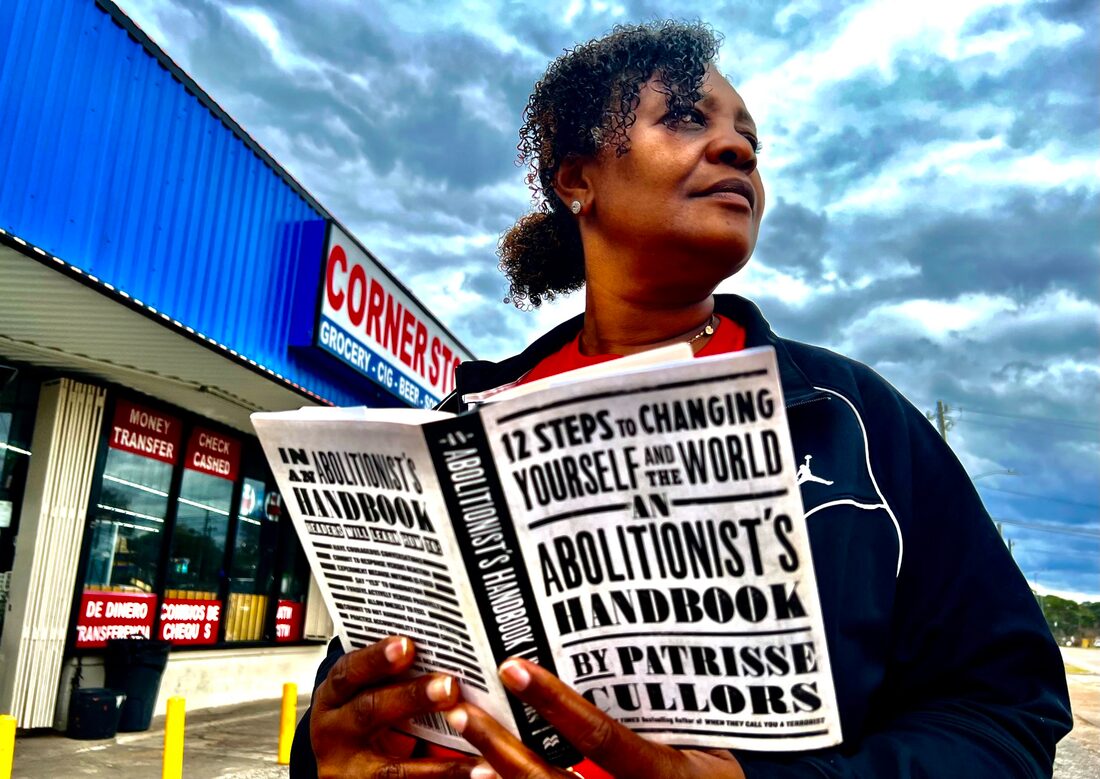 The root of the problem of homelessness among formerly incarcerated people lies in the vicious cycle of White Supremacy. In America, Black and Brown people are historically and generationally forced to live in poverty, where we are over-policed, and disproportionately arrested and incarcerated. Then, after being released, we are given even less job opportunities than we were to begin with (as is evident by research). Only to end up where we started, in an over-policed under-resourced neighborhood, or worse, homeless (where we will still be in an over-policed and under-resourced area). Anyone who argues against this is disingenuous and ignoring the undisputed and well-documented history of enslavement and genocide by Europeans of indigenous peoples of the Americas and Africa (and other Black and Brown parts of the world too).
 The notorious white supremacist hate group, the Ku Klux Klan was founded back in 1865 operating through pure terrorism, has had the opportunity to dissolve and resurrect three times with thousands of active members still today. FBI director J. Edgar Hoover, the same director that took down the Black Panther Party, had to be told by President Lyndon Johnson to go after the Klan. The same president also launched a “War on Poverty” just 50 years ago in 1970, opening up opportunities for African Americans in schooling, housing, and the labour force. This led to affirmative action programs being developed and implemented to remedy the long term effects of such systematic discriminative prejudices.
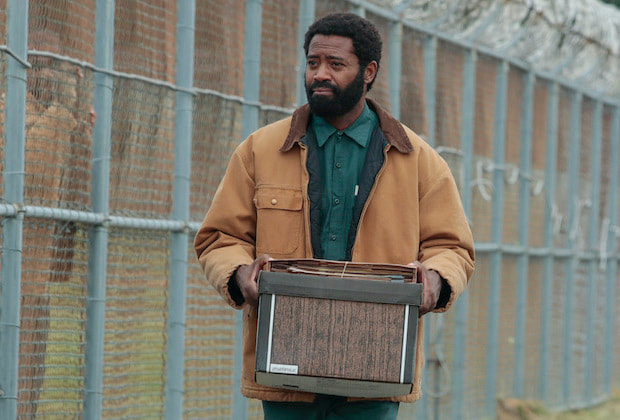 [March 2019]: I had been locked away for 75 days already, unable to even imagine posting my $175k bail set. The reality was, I’d recently been extradited to Williamson County after 60 days in Travis County Jail without any contact with my hired lawyer. Learning that the 8th Amendment was concise but also very clear, I wanted to file a motion for bail reduction and was confident in a strong argument on TxCCP Article 17.15 & 17.151 grounds — since I hadn’t yet been formally charged, or indicted, thus far. In the case review I labored through in my first ninety (90) days. I knew that this meant the prosecution had to deem itself ready for trial. By my ninetieth day, I was denied a court appearance because my assumed representation had never filed upon my case, I wondered — what next?
 Living in or around major cities my entire life exposed me to various culture, social and economic statuses in what felt like the entire world within my community. It was very unnatural for me not to see homeless people on a normal basis, especially under highway bridges, or woods. I am not as young as I once was so now I know how ridiculous, shameful and flat out morally inhumane it is to not see Housing as a basic human right.
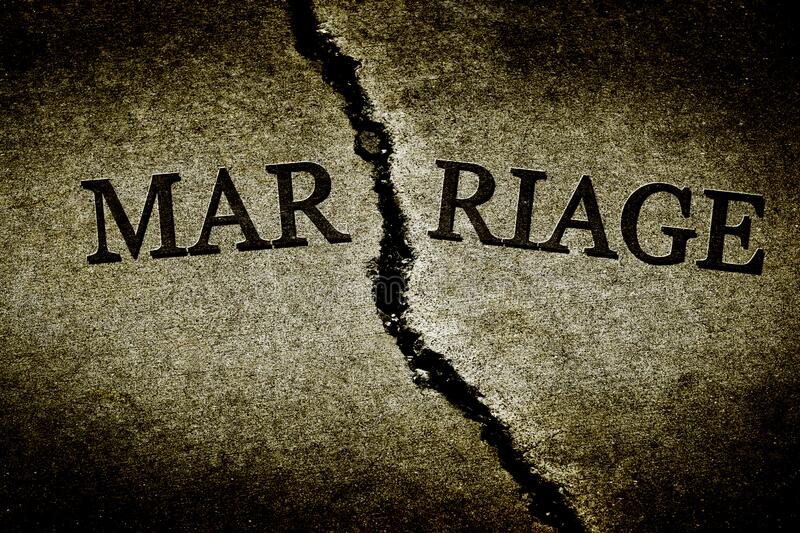 Relationships can be beautiful, enriching and fulfilling. Most romantic relationships develop into civil unions or marriage. Becoming a dyad expands the availability of resources that may not be obtainable individually. Resources such as health benefits, life insurance policies, joint Tax returns, and land or homes. Among all the benefits and resources made available through marriage, gaining land or a home is by far one of the most beneficial assets one can gain.
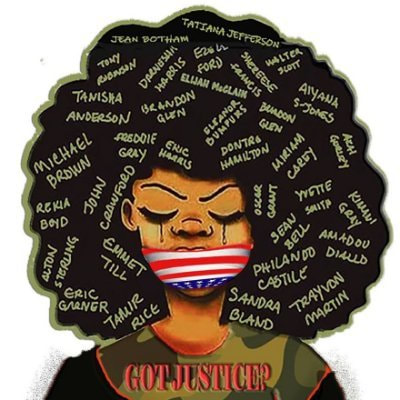 Police accountability involves holding both individual police officers, as well as law enforcement agencies responsible for effectively delivering basic services of crime control and maintaining order, while treating individuals fairly and within the bounds of law.
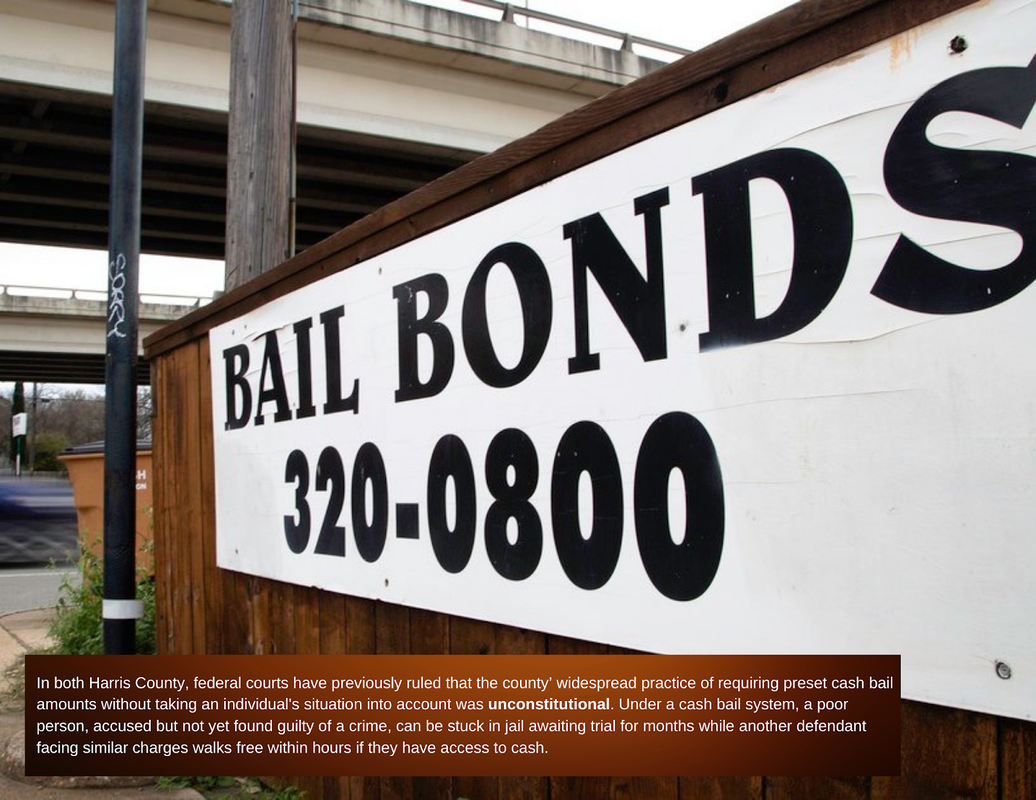 Was this judge also a lawyer?¹ I had a feeling he wasn’t. I’d heard him before I saw him perched upon the bench — but I’d grown up around hogs, so I knew how people screamed at animals. I leaned against the wall and followed the herd ahead of me. The amounts that I’d overheard given for bail were outrageous — I wondered if I could talk to this guy?
|
AuthorWrite something about yourself. No need to be fancy, just an overview. Archives
June 2024
Categories |
 RSS Feed
|
|
About UsPure Justice uses community organizing, and civic and electoral engagement as methods help reform institutions and systems that perpetuate social and criminal injustices, and to improve the lives of low-income and working-class families
|
Get In TouchMailing Address
Pure Justice 5380 W. 34th St. 305, Houston, TX, 77092, United States Community Space Address (No Mail Here) Pure Justice 4530 W. 34th St. Suite J, Houston, TX, 77092 (713) 370-7490 [email protected] |
© Pure Justice. All rights reserved.